
Solutions
Dealership Declined Service Campaigns That Bring Customers Back
Declined Services Bring Customers Back for Missed Services
Dealerwing helps franchised new car dealers recover missed service opportunities with cleaner data, smarter customer targeting, and coordinated follow-up campaigns built for fixed operations growth.
Every declined service recommendation represents a known customer need. The customer was already in your service drive. A technician or advisor already identified the recommended work. The customer already heard the recommendation. The opportunity exists, but too often it dies inside the DMS because no one follows up consistently, the customer record is incomplete, or the campaign is built on data that cannot be trusted.
Dealerwing helps dealers turn declined services into a structured marketing opportunity. We help identify the right customers, validate the data, segment the opportunity, deliver the message through the right channels, and give your team a clearer path to bring customers back for the work they already postponed.
Documented, Not Cold
Declined services are customers who already trusted your dealership enough to visit the service department. The need did not disappear when they left the drive.
Clean Data First
A campaign is only as strong as the data behind it. We validate ownership, marketability, and contact accuracy before a message ever goes out.
Segmented by Opportunity
A brake job, a tire concern, and a high-dollar repair each need a different message, timing, and channel mix.
Measurable Follow-Up
We track which audiences responded, which channels performed, and which customers created real repair order opportunities.
How it works
A process built on validated data
Identify the Opportunity
Organize declined service data so the dealership can see which customers postponed which work.
Clean and Validate
Review the audience for duplicate records, bad contact information, ownership accuracy, and out-of-market records.
Segment by Opportunity and Urgency
Match message, timing, and channel to the specific declined item.
Deliver Through Coordinated Channels
Reach customers via direct mail, email, SMS, social, landing pages, call tracking, and BDC follow-up.
Drive Customers to Action
Make it easy to respond with landing pages, appointment forms, or tracked phone numbers.
Track and Improve
Understand which audiences and channels performed, and where data quality can keep improving.
Use cases
Declined Service Campaign Types
The best declined service campaigns are built around the specific work that was postponed, not a generic reminder.
Brake Recommendations
Bring back safety-critical brake work customers already know about.
Messaging focuses on customer protection and vehicle condition so the recommendation feels relevant, not pushy.
Tire Replacement
Recover tire wear and replacement recommendations before they're forgotten.
Targeted follow-up reminds customers why the recommendation mattered and makes scheduling easy.
Battery Testing
Reconnect with customers who declined a battery test or replacement.
Seasonal timing and clear messaging help customers understand urgency without feeling chased.
Fluid Services & Alignment
Recapture routine maintenance customers postponed.
Long-term reliability messaging keeps these lower-urgency items visible and top of mind.
High-Mileage Maintenance
Target customers with declined scheduled maintenance at key mileage intervals.
Belts, hoses, filters, and mileage-based service items get bundled into a relevant, easy-to-act-on message.
High-Dollar Repairs
Handle bigger-ticket declined work with a more consultative approach.
These customers may need options, timing flexibility, or a more personal follow-up rather than a generic reminder.
Seasonal Service Needs
Align declined service follow-up with seasonal timing.
Seasonal relevance increases the chance a postponed service turns into a scheduled appointment.
Recall-Related Follow-Up
Combine declined service and recall messaging where it applies.
Customers with multiple declined items or an overlapping recall get a coordinated, single message instead of duplicate outreach.
Deep dive
Understanding Declined Service Recovery
Learn why follow-up breaks down, how data quality changes outcomes, and what to ask before your next campaign.
The Missed Revenue Opportunity Already Sitting in Your Service Department
Declined service is not the same as a cold lead. These are customers who already trusted your dealership enough to visit the service department. They may have declined because of timing, cost, confusion, lack of urgency, transportation issues, or because they wanted to think about it. But the need did not disappear when they left the drive.
Without a consistent follow-up strategy, those opportunities are easy to lose. Advisors get busy. BDC teams may not have the right information. Customer records may be duplicated. Contact information may be outdated. Ownership may not be verified. The declined item may not be tied to the right campaign or message.
That is how real service opportunities disappear from the dealership.
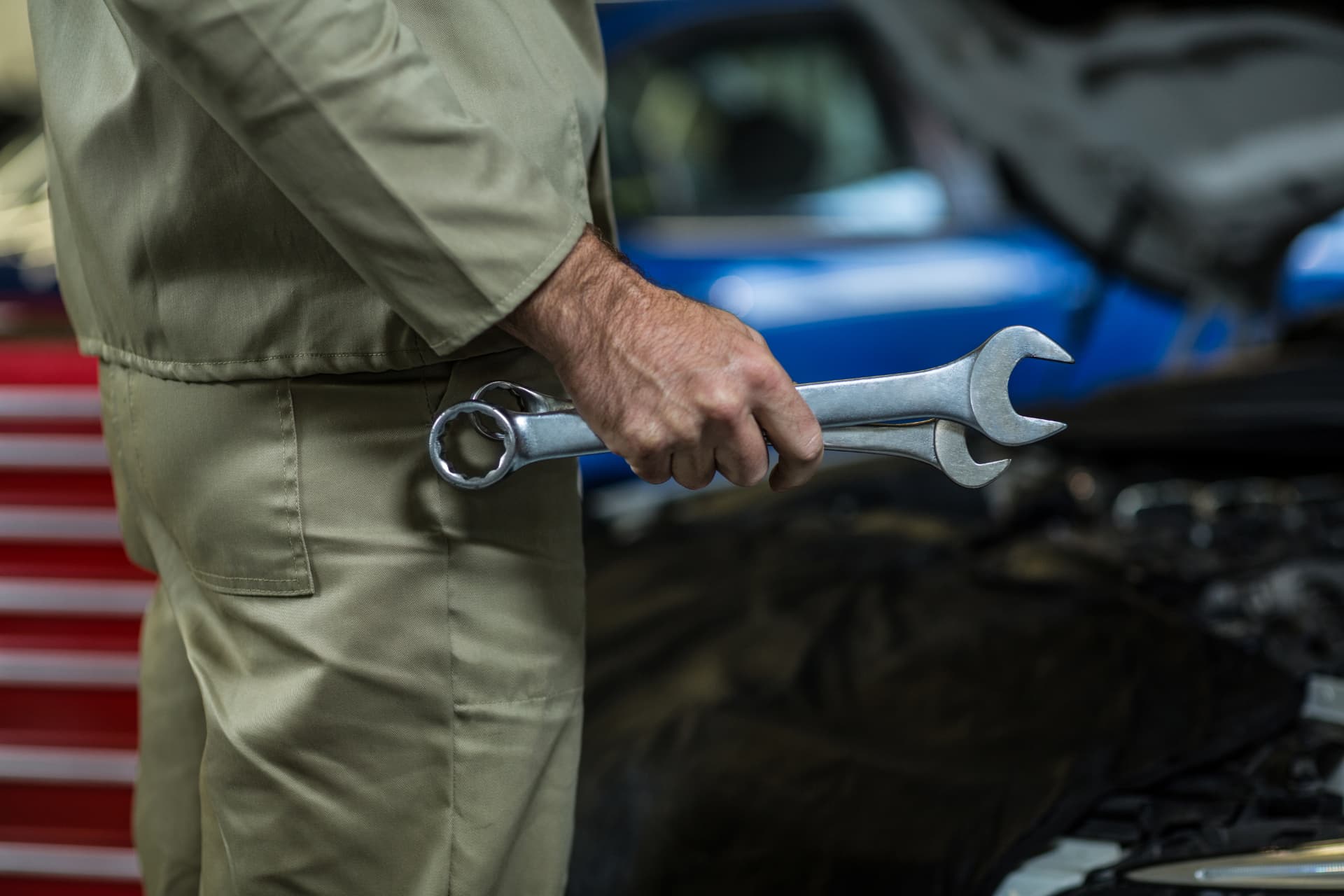
- Recommended work
- Relevant follow-up
- Return visit
Why Most Declined Service Follow-Up Breaks Down
Dealers usually do not lose declined service opportunities because they lack effort. They lose them because the process is inconsistent and the data is not clean enough to support reliable follow-up.
The result is predictable. Customers forget. Competitors capture the work. The BDC wastes time. Campaigns underperform. Leadership never sees the full value of what was already identified inside the service drive.
- Declined items are not captured consistently in the DMS or service workflow.
- The reason for decline is not documented clearly enough to support a relevant follow-up message.
- Customer records are duplicated across sales, service, recall, and previous repair history.
- Phone numbers, emails, and addresses are outdated or invalid.
- The customer no longer owns the vehicle or has moved out of market.
- The BDC does not have a prioritized list of realistic opportunities.
- Messages are too generic and do not explain why the recommendation matters.
- Incomplete records
- Missed follow-up
- Lost opportunity
Why Clean Data Matters in Declined Service Recovery
A declined service campaign is only as strong as the data behind it. If the customer record is wrong, the campaign may reach the wrong person. If ownership is outdated, the customer may no longer have the vehicle. If the customer moved out of market, the campaign may not be realistic. If one customer exists under multiple customer numbers, the dealership may not see the full service history.
This is where many fixed ops campaigns fail before the first message is sent. Dealerwing helps dealers look beyond raw database volume and focus on customers who are actually marketable, reachable, relevant, and in market. That is what gives declined service follow-up a stronger foundation.
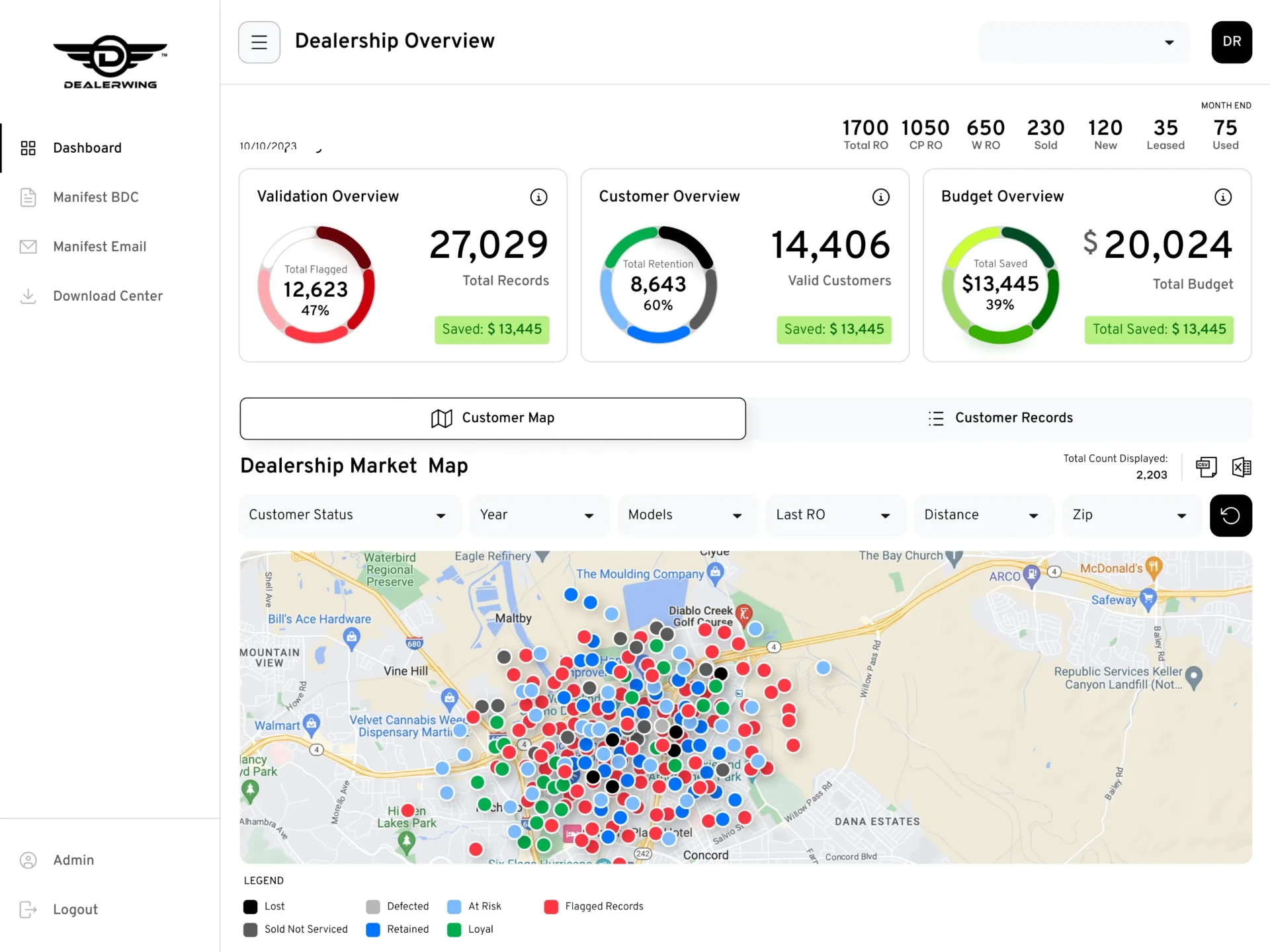
- Service records
- Validate ownership
- Reachable customers
How Dealerwing Declined Service Campaigns Work
The objective is not to send more messages. The objective is to send better messages to better audiences based on a documented service opportunity.
- Identify the declined service opportunity from available service data.
- Clean and validate the customer data for duplicates, bad contact info, and ownership accuracy.
- Segment by opportunity and urgency so each recommendation gets the right message.
- Deliver the message through coordinated channels based on preference and data quality.
- Drive customers to action with landing pages, appointment forms, or tracked phone numbers.
- Track performance and improve the next campaign.
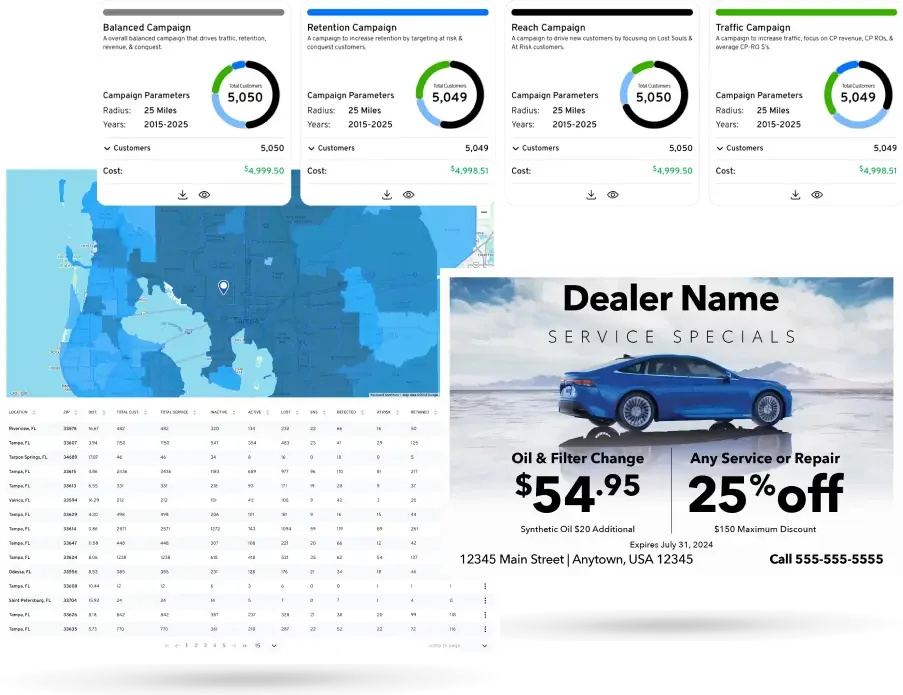
- Documented need
- Coordinated outreach
- Appointment request
Why Declined Service Follow-Up Supports Service Retention
Customers who decline service are not always lost. Many are simply delayed. The dealership has an opportunity to stay connected, provide useful information, and bring the customer back before the work is completed somewhere else.
When declined service follow-up is handled correctly, it can support service retention, customer trust, BDC efficiency, fixed ops revenue, and long-term customer lifecycle marketing.
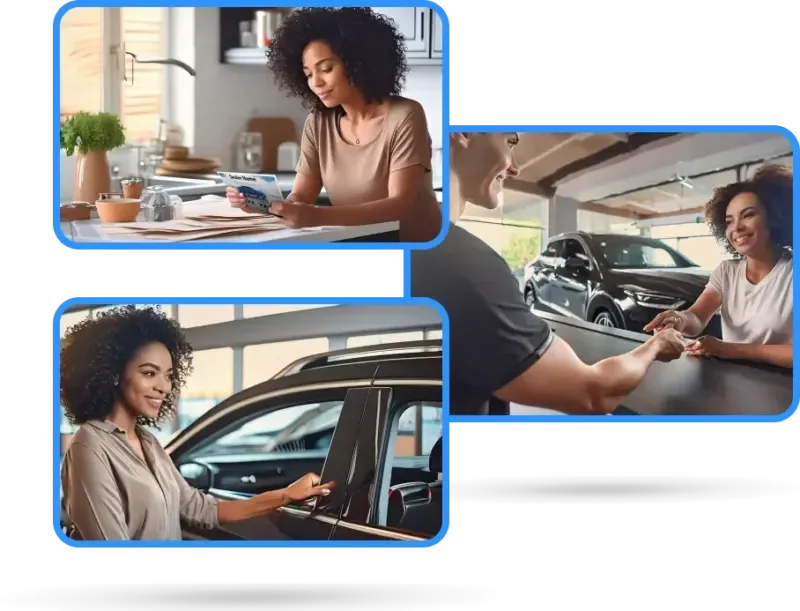
- Stay connected
- Complete the work
- Build the relationship
What Dealers Should Ask Before Launching a Declined Service Campaign
Before sending another declined service campaign, dealership leadership should ask whether the campaign is built on a real opportunity or just a list of records.
- Are declined services being captured consistently?
- Is the declined service tied to the correct customer and vehicle?
- Does the customer still own the vehicle? Is the customer still in market?
- Is the contact information valid, and are duplicate records distorting the opportunity?
- Is the message matched to the service that was declined?
- Is the BDC receiving a prioritized list of realistic opportunities?
- Can the vendor show which records were suppressed and why?
- Verify the audience
- Match the message
- Review the plan
FAQ
Common questions
What are declined service campaigns?
Declined service campaigns are targeted follow-up campaigns designed to bring customers back for recommended maintenance or repair work they previously declined or postponed.
Why are declined services important for dealerships?
Declined services represent documented customer needs. The customer has already visited the service department and the recommendation has already been identified, which makes follow-up more relevant than a generic service promotion.
What makes declined service follow-up difficult?
Declined service follow-up becomes difficult when declined items are not captured consistently, customer records are duplicated, contact information is bad, ownership is outdated, or the BDC does not have a prioritized list of realistic opportunities.
What channels can be used for declined service campaigns?
Depending on data quality and campaign strategy, declined service campaigns can use direct mail, email, SMS, social media, personalized landing pages, phone tracking, and BDC follow-up.
How does data quality affect declined service campaigns?
Data quality determines whether the campaign reaches the correct customer for the correct vehicle with the correct service message. Bad data creates waste before the campaign starts.
How is Dealerwing different from a basic follow-up reminder?
Dealerwing approaches declined service recovery as a data-first marketing strategy. The focus is on cleaner audiences, better segmentation, coordinated outreach, and measurable campaign performance.
Can declined service campaigns support customer retention?
Yes. Consistent, relevant follow-up can help keep customers connected to the dealership and reduce the chance that recommended work is completed elsewhere.
What should a dealer do next?
A dealer should review how declined services are captured, how customer data is validated, how follow-up is assigned, and whether campaigns are being measured accurately.