
Solutions
OEM and Co-Op Funded Fixed Ops Programs Built for Brand Compliance
Grow Service Revenue on Funding You're Already Entitled To
Most dealers leave co-op dollars on the table because the documentation requirements are tedious and the brand compliance rules are strict enough that a mistake means the claim gets denied. That is real money sitting unused every fiscal year, not because the funding doesn't exist, but because the paperwork and brand-guideline discipline it takes to claim it competently is a lot to manage in-house.
Dealerwing builds fixed ops programs, retention, declined service, recall follow-up, designed from the start to meet OEM and co-op brand compliance requirements, with the documentation generated as a normal part of running the campaign instead of a scramble afterward.
The result is a program that grows fixed ops revenue and is fundable, with claim documentation ready to submit rather than reconstructed weeks after the fact.
Brand Compliance Built In
Campaign creative, messaging and channel mix are built to match specific OEM brand guidelines from the first draft.
Documentation as You Go
Claim documentation is generated as a normal part of running the campaign, not reconstructed after the fact under deadline pressure.
Multi-Brand and Multi-Program Support
We manage the different requirements across brands and co-op programs so a multi-franchise store isn't tracking every rule manually.
Reported at the RO Level
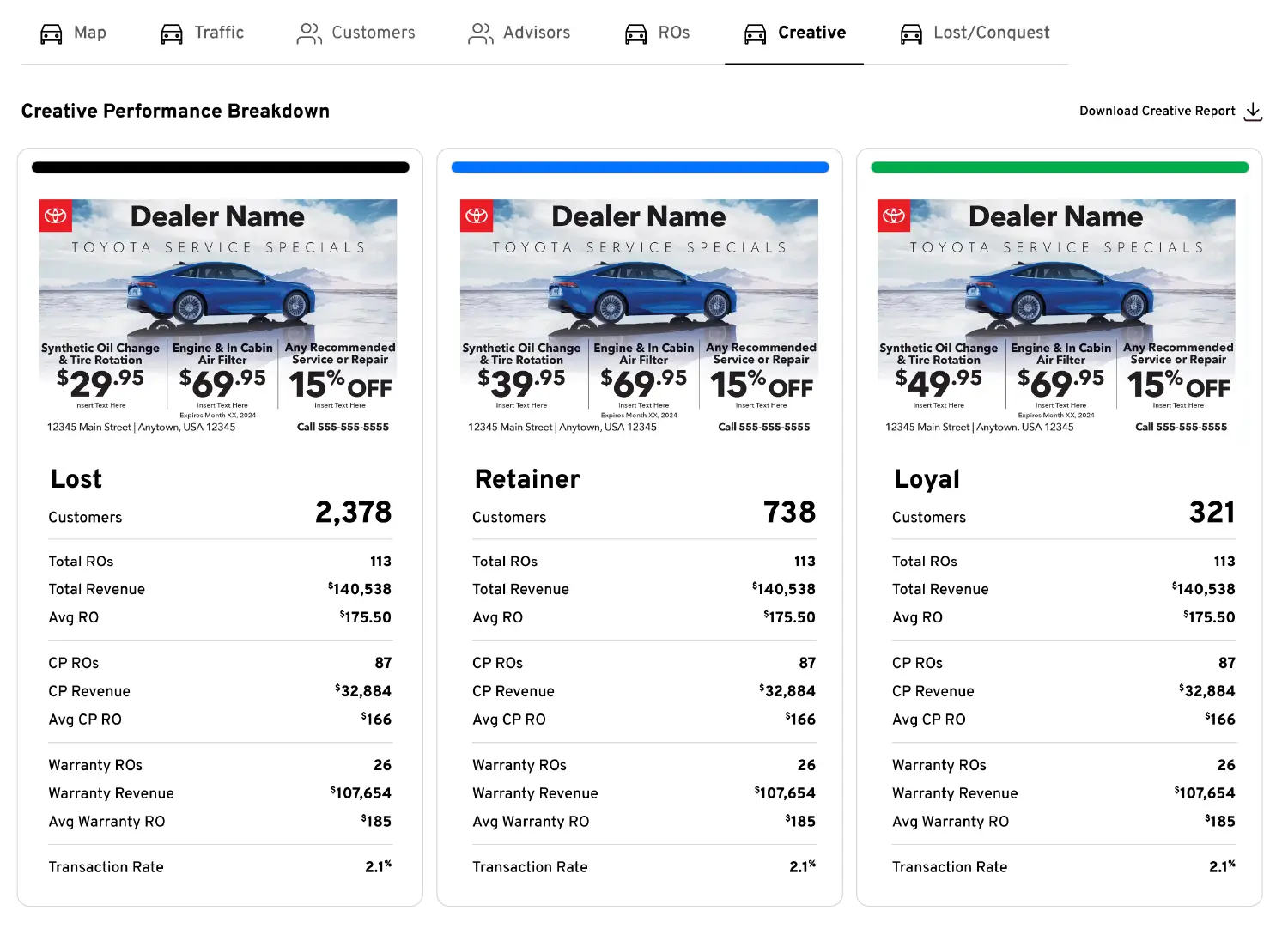
Programs report against actual repair orders and revenue, which supports both OEM reporting requirements and internal budget justification.
Examples
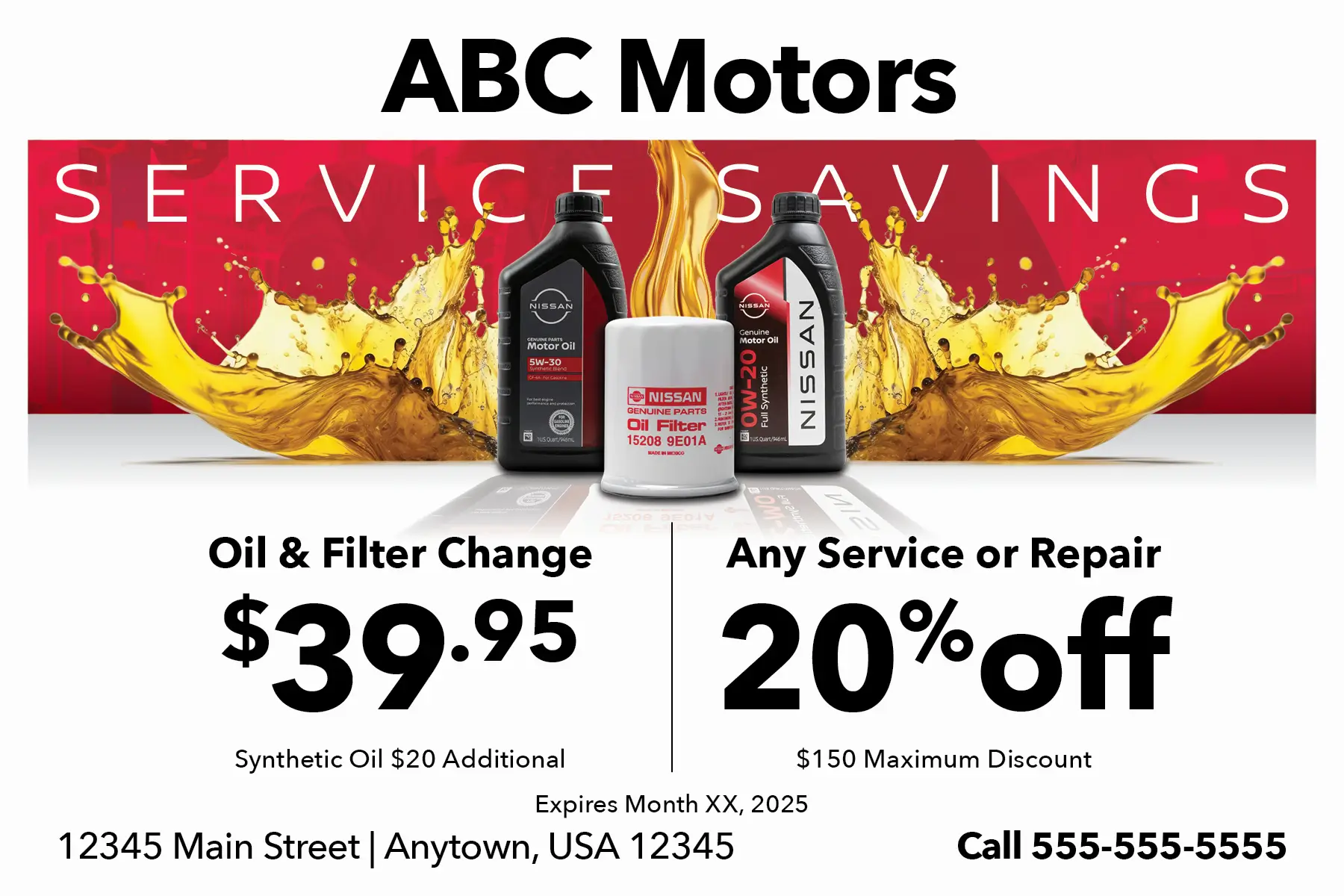
OEM-compliant work, measured the same way
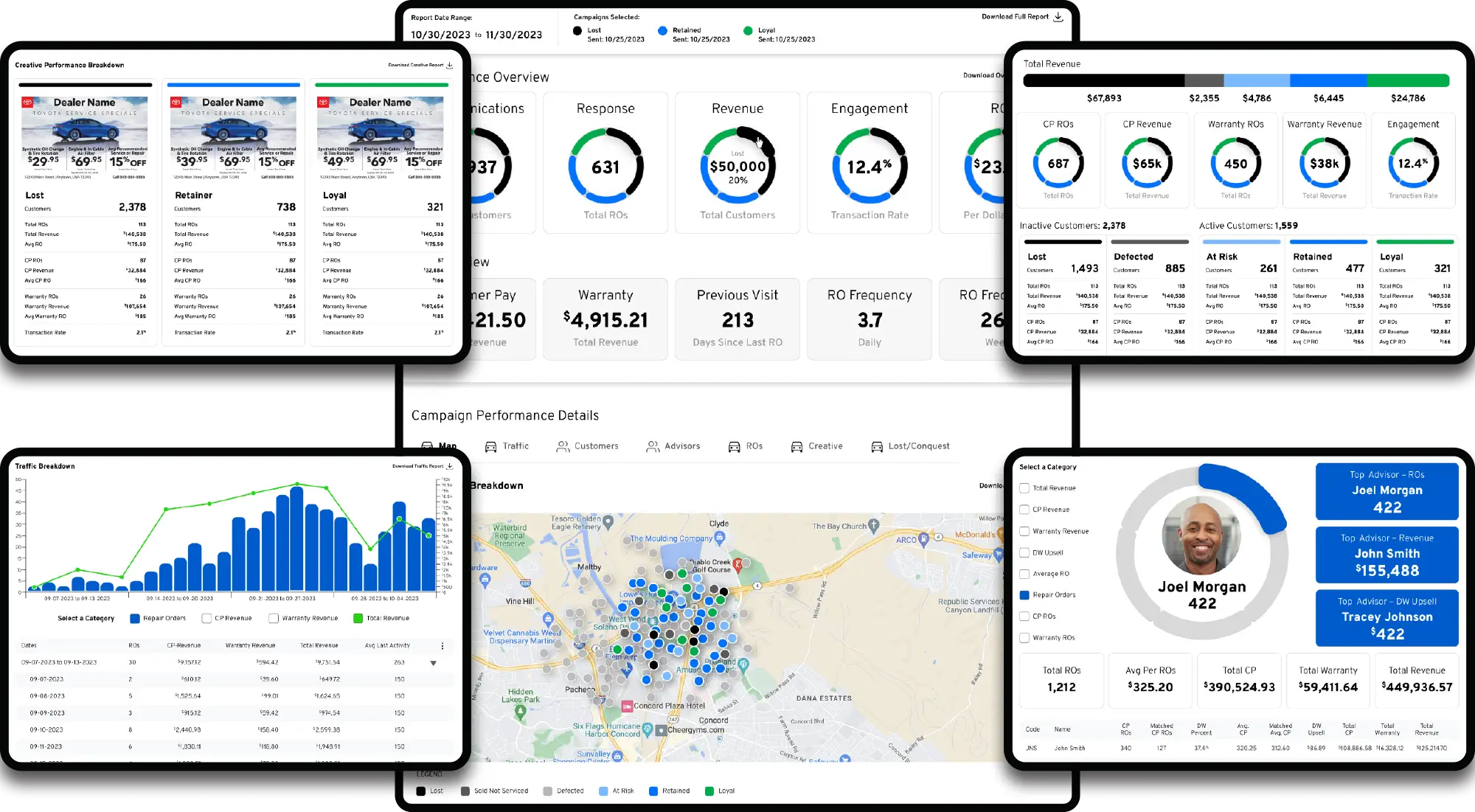
Product screenshots and sample collateral shown with placeholder dealer names and offers.

How it works
A process built on validated data
Confirm Eligibility
Identify which OEM or co-op programs apply and what spend categories and pre-approvals are required.
Build Compliant Creative
Develop messaging and design against the current version of the applicable brand guidelines.
Run the Campaign
Execute retention, declined-service or recall outreach while documentation is captured automatically.
Assemble the Claim
Compile proof-of-performance materials and invoices matched to eligible categories.
Submit and Track
Submit inside the reimbursement window and track claim status through payment.
Use cases
What OEM and Co-Op Programs Actually Require
These are the recurring pieces every brand compliance and claim submission process touches.
Brand Guideline Compliance
Logo placement, color and messaging rules that vary by OEM.
Creative is reviewed against the specific brand's current guidelines before it ever goes to print or digital, avoiding rejected claims later.
Pre-Approval Requirements
Some programs require sign-off before you spend a dollar.
We track which co-op programs require pre-approval and manage the submission timeline so spend doesn't get stranded unreimbursed.
Proof-of-Performance Documentation
You need more than an invoice to get reimbursed.
Tear sheets, send logs, screenshots and delivery confirmation are collected automatically as the campaign runs.
Eligible Spend Categories
Not every marketing dollar qualifies for co-op reimbursement.
We structure campaigns to align spend with categories that are actually eligible under each program's current guidelines.
Claim Submission Deadlines
Miss the window, lose the funding, no exceptions.
Deadlines are tracked per program so claims are submitted inside the reimbursement period instead of after it closes.
Multi-Brand Reconciliation
Running Ford and Honda co-op rules on the same campaign calendar.
For multi-franchise stores, we track each brand's distinct requirements in parallel instead of applying one program's rules everywhere.
Audit-Ready Recordkeeping
OEMs occasionally audit co-op claims after reimbursement.
Full documentation is retained and organized by claim, so a post-payment audit request can be answered quickly.
Deep dive
Understanding OEM and Co-Op Funded Fixed Ops
How brand compliance actually works, why claims get denied, and what a well-run program looks like.
Why Co-Op Dollars Go Unclaimed
OEM and co-op programs exist specifically to fund dealer marketing, including fixed ops retention and service campaigns. Yet a meaningful share of available funding goes unclaimed every year because the documentation burden is real: pre-approvals, proof-of-performance, eligible spend categories and submission deadlines that differ by brand and sometimes by region.
Dealers who try to manage this manually alongside running the actual campaign often either skip claiming altogether or submit claims late enough to get denied. Neither outcome is a funding problem. It's a process problem.
How Brand Compliance Actually Gets Enforced
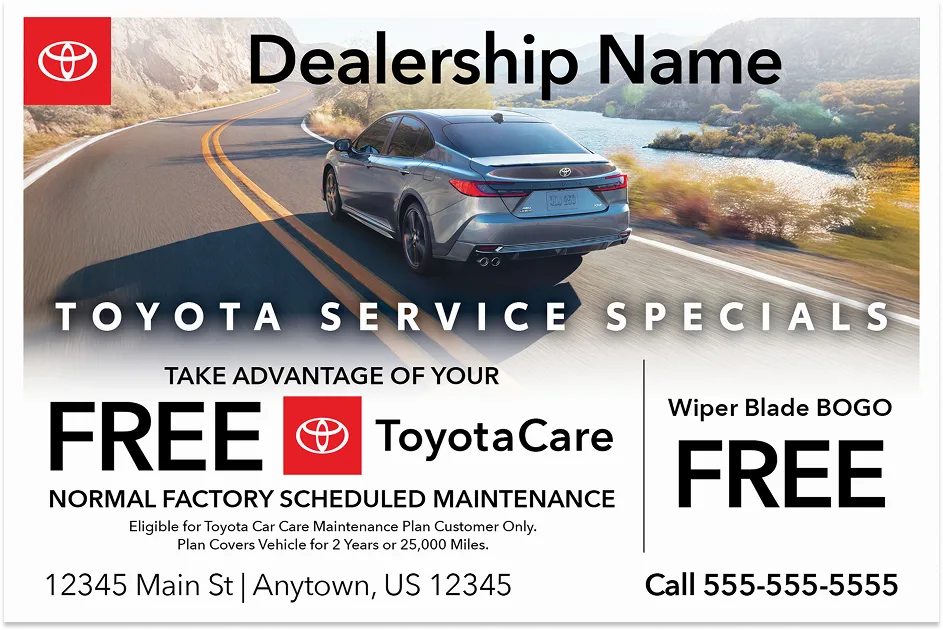
Every OEM publishes brand guidelines covering logo usage, color, typography, required disclaimers and approved messaging themes. These guidelines are updated periodically, and a campaign built against an outdated version of the guidelines is a common reason claims get rejected even when the underlying spend was legitimate.
- Creative is checked against the current version of each OEM's brand guidelines before production.
- Required disclaimers and legal language are included automatically based on program type.
- Co-branded or multi-brand creative follows the strictest applicable rule set.
What Documentation a Claim Actually Needs
Most rejected claims fail on documentation, not eligibility. A program can be entirely eligible for reimbursement and still get denied because the proof-of-performance materials weren't collected correctly or weren't submitted before the deadline.
- Proof of performance: tear sheets, send logs, delivery confirmation, screenshots of digital placements.
- Invoices matched to the specific eligible spend category.
- Pre-approval confirmation where required by the specific program.
- Submission within the program's defined reimbursement window.
Managing Multiple Brands and Programs at Once
Multi-franchise dealer groups often run several OEM co-op programs simultaneously, each with different guidelines, deadlines and eligible categories. Treating them as one unified process usually means one brand's rules get applied incorrectly to another brand's claim.
We track each program's requirements separately and coordinate the campaign calendar so submissions for each brand happen on that brand's own timeline.
How This Connects to Measurable Fixed Ops Growth
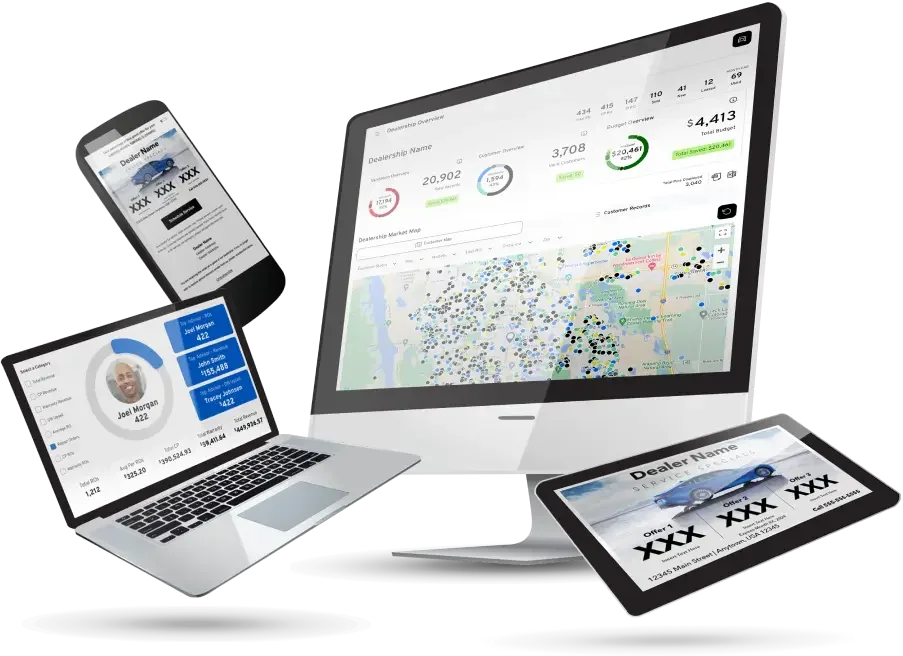
A co-op funded program still has to work. Funding a campaign that doesn't move retention or declined-service numbers just spends OEM money instead of dealer money on the same underperforming approach. Every Dealerwing program, funded or not, reports at the repair order level so you know the campaign earned the reimbursement and delivered real fixed ops revenue.
What to Ask Before Launching a Co-Op Funded Campaign
Before committing a program to co-op funding, it's worth confirming the process is set up to actually get reimbursed.
- Does this program require pre-approval before spend begins?
- What proof-of-performance documentation will be collected, and how?
- What is the submission deadline for this specific program?
- Is the creative compliant with the current version of the brand guidelines?
- How will results be reported if the OEM asks for performance data?
FAQ
Common questions
Which OEM co-op programs do you have experience with?
We work across major OEM co-op and dealer association fixed ops programs. If we haven't run a claim for your specific program before, we review the guidelines before your first campaign launches.
What if a claim gets denied?
We review the denial reason, correct the documentation or compliance issue where possible, and resubmit within the program's appeal window if one is available.
Can you handle multiple brands for our dealer group at once?
Yes. We track each brand's guidelines, deadlines and eligible categories separately so a multi-franchise group isn't applying one brand's rules to another.
Do we need pre-approval before running the campaign?
It depends on the specific program. We confirm pre-approval requirements before launch so spend isn't stranded unreimbursed.
Does using co-op funding limit what the campaign can look like?
It requires compliance with the specific brand's guidelines, but within that we still build the program around your store's actual retention and declined-service opportunity.
How is performance reported for OEM purposes?
Programs report at the repair order level, which satisfies most OEM performance reporting requirements and also tells you whether the campaign actually worked.
What happens if we get audited on a past claim?
Full documentation is retained and organized by claim, so a post-payment audit request can be answered without reconstructing records after the fact.